
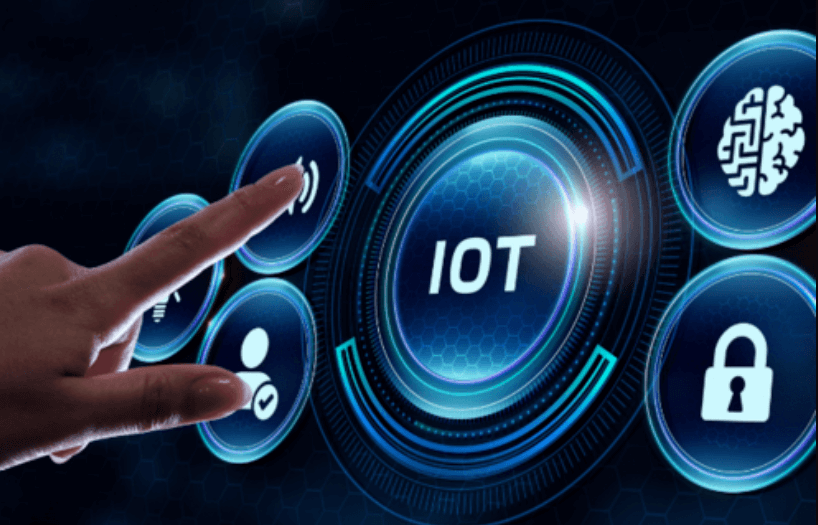
The Internet of Things (IoT) represents a transformative shift in how devices connect and communicate. It comprises a vast network of interconnected devices that gather and share data via the internet. Understanding the foundational principles of IoT reveals its potential applications and efficiencies across various sectors. As these technologies evolve, they raise questions about their impact on daily life and the future of connectivity. What implications does this interconnectedness hold for society?
Understanding the Basics of IoT
The Internet of Things (IoT) represents a transformative convergence of technology, where everyday objects are embedded with sensors and connectivity to communicate and exchange data over the internet.
IoT definitions encompass a vast array of applications, from smart homes to industrial automation.
The IoT history traces back to the early 1980s, evolving significantly with advancements in wireless communication and data analytics, empowering users with unprecedented freedom.
See also: What Is the Internet of Things (Iot) and How Does It Work?
Key Components of IoT Systems
Understanding the intricacies of IoT systems requires an exploration of their key components.
These include various sensor types that collect data, communication protocols that facilitate data transmission, robust data management systems for processing information, and essential security measures to protect user privacy.
Together, these components create a cohesive framework that empowers the functionality and reliability of Internet of Things applications.
Real-World Applications of IoT
Numerous industries are harnessing the power of the Internet of Things (IoT) to enhance efficiency, reduce costs, and improve user experiences.
Smart cities utilize IoT to optimize traffic flow and energy management, while wearable devices monitor health metrics, empowering individuals to take charge of their well-being.
These applications illustrate how IoT fosters innovation, connectivity, and productivity across various sectors, promoting a more liberated lifestyle.
The Technologies Powering IoT
Advancements in technology are foundational to the Internet of Things (IoT), enabling the seamless connectivity and data exchange that drive its diverse applications.
Central to this ecosystem are sensor technologies, which gather data from the environment, and connectivity protocols, which facilitate communication between devices.
Together, these elements empower users to harness real-time information, enhancing efficiency and offering unprecedented control over their connected environments.
Conclusion
In conclusion, the Internet of Things is not just a technological marvel; it’s a dazzling symphony of interconnected devices that could make even the most advanced sci-fi films blush. With sensors and software working in perfect harmony, IoT transforms the mundane into the extraordinary, empowering users to command their environments with a mere whisper. As this digital revolution unfolds, one can only imagine a future where everyday objects become sentient companions, forever changing the fabric of human existence.


 What Is the Role of Robotics in Manufacturing?