
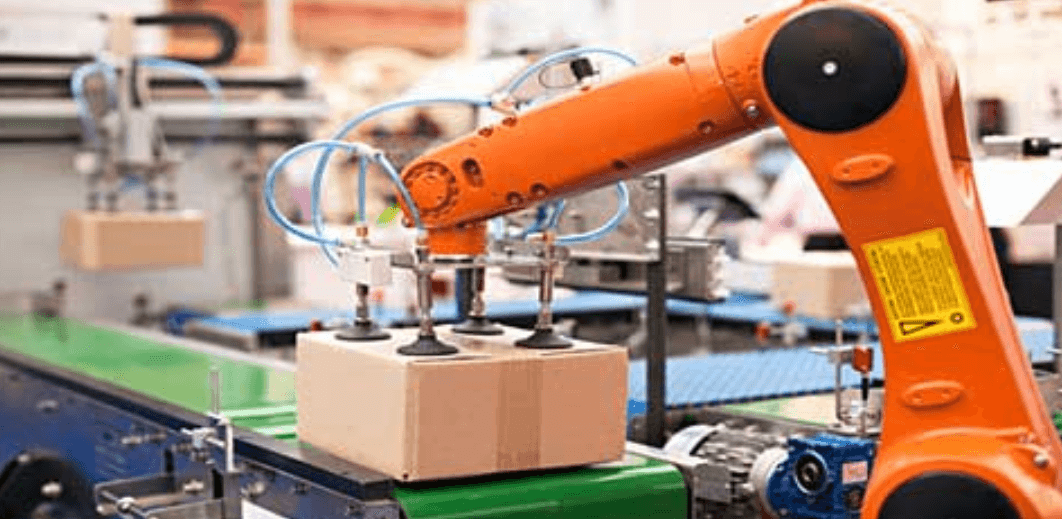
The role of robotics in manufacturing has evolved significantly, driven by the need for enhanced efficiency and precision. Automation of repetitive tasks reduces labor costs and minimizes errors, leading to consistent product quality. Industries such as automotive and food processing benefit immensely from robotics, optimizing assembly lines for speed and accuracy. However, the integration of these technologies presents unique challenges that merit further examination in the context of modern manufacturing environments.
The Evolution of Robotics in Manufacturing
As industries increasingly sought efficiency and precision, the evolution of robotics in manufacturing emerged as a pivotal transformation.
Historical advancements marked significant automation milestones, enabling tasks to be performed with unparalleled accuracy and speed.
These innovations laid the groundwork for sophisticated robotic systems that now dominate production lines, illustrating a shift towards intelligent manufacturing processes that enhance productivity while fostering greater operational freedom.
See also: Virtual Reality in Education: Transforming the Classroom
Key Benefits of Implementing Robotics
The implementation of robotics in manufacturing offers a multitude of advantages that significantly enhance operational efficiency and productivity.
Key benefits include cost reduction through minimized labor expenses and optimized resource utilization.
Additionally, robotics contribute to quality improvement by ensuring consistent production standards, reducing errors, and enhancing precision.
These factors collectively empower manufacturers to achieve greater competitiveness in a rapidly evolving market landscape.
Applications of Robotics Across Various Industries
Numerous industries have begun to integrate robotics into their operations, resulting in transformative changes across various sectors.
Robotic automation enhances efficiency in manufacturing, logistics, and agriculture, while industrial robotics streamline assembly lines and improve precision.
From automotive production to food processing, these technologies not only increase productivity but also minimize human error, illustrating the profound impact of robotics on modern industrial practices.
Challenges in Integrating Robotics Into Manufacturing Processes
While the advantages of robotics in manufacturing are widely acknowledged, several challenges hinder their seamless integration into existing processes.
Cost considerations often pose significant barriers, as initial investments in technology and infrastructure can be substantial.
Additionally, effective workforce training is crucial; without adequately skilled personnel, the potential benefits of robotics may not be fully realized, limiting operational efficiency and productivity.
Conclusion
In conclusion, the integration of robotics into manufacturing represents a transformative leap that enhances operational efficiency and production quality. As industries evolve, the ability of robotic systems to adapt to varying market demands underscores their significance. While challenges in implementation exist, the long-term benefits—such as cost reduction and improved accuracy—validate the investment in robotic technology. Thus, the theory that robotics can revolutionize manufacturing practices holds true, reinforcing the importance of innovation in sustaining competitive advantage in the market.


